Low-altitude smart transport, drones leading a new era in logistics!
In 2024, the rapid rise of the low‑altitude economy became a new engine for global economic growth. As the leader of China's low‑altitude economy, the drone industry has not only driven innovation in the aviation technology sector, but also stimulated the development of a series of related industrial chains.
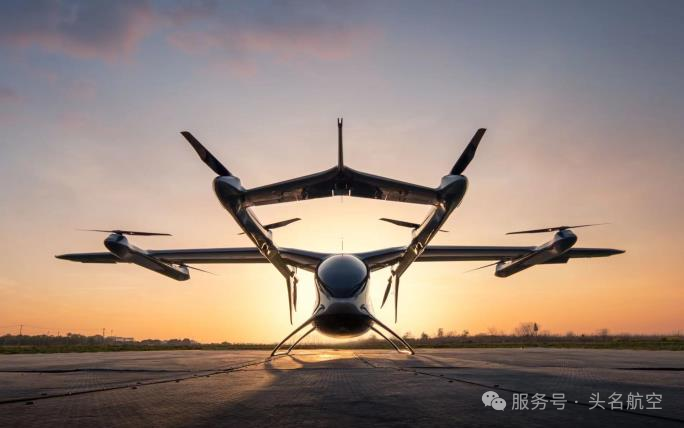
In particular, the deep integration of the low‑altitude economy and the logistics industry is giving rise to a revolutionary change in delivery methods – low‑altitude drone transport. This emerging model has attracted much attention in recent years, and its rapid development heralds the arrival of a new era in logistics and delivery.
The core competitiveness of low‑altitude drone transport lies in its ability to overcome the various limitations of ground transportation, achieving precise delivery of goods with advantages such as high efficiency, speed, flexibility, and intelligence. In diverse scenarios such as supplies for remote areas, rapid delivery of emergency rescue materials, and instant delivery in densely populated urban areas, drone transport has demonstrated enormous application potential and value.
It not only significantly improves logistics efficiency and greatly reduces transportation costs, but also makes an important contribution to environmental protection. By reducing carbon emissions, it actively responds to the global call for green logistics and promotes the sustainable development of the logistics industry.
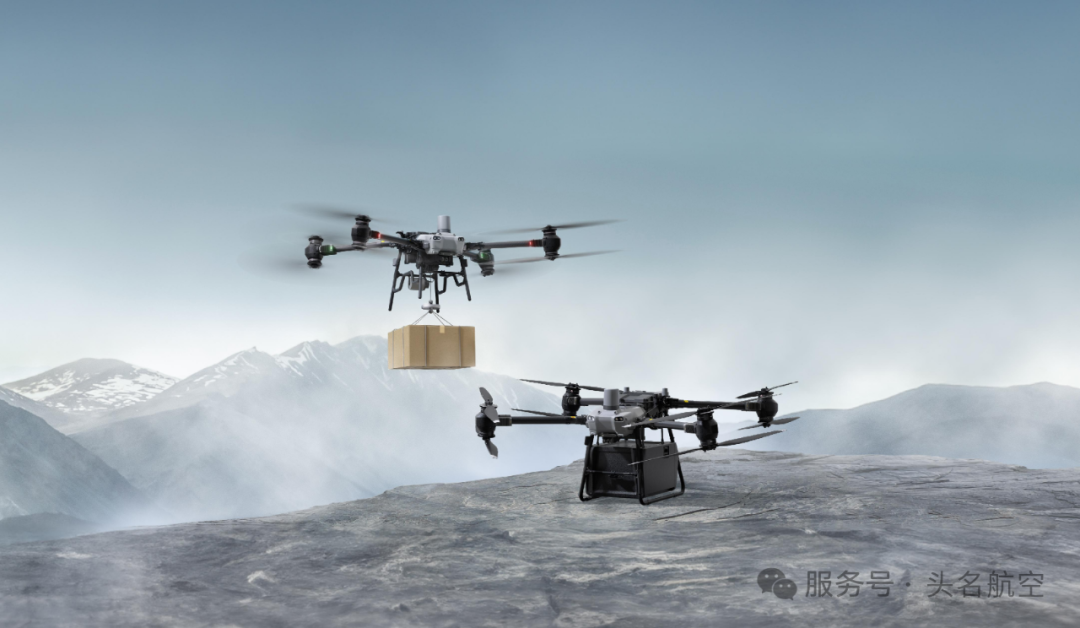
Application Scenarios of Low‑Altitude Drone Transport
Drone transport is applicable to a variety of scenarios, including but not limited to:
Intercity trunk logistics transport: such as express delivery, fresh food, takeaway, and other goods, especially in areas with limited ground transport or severe congestion, the drone's ability to efficiently traverse the air greatly shortens cargo delivery cycles.
Urban low‑altitude mobility transport: such as air taxis, aerial sightseeing tourism, and other new travel modes, unlocking new models of urban air mobility.
Emergency medical supplies delivery: such as timely delivery of urgently needed medical materials like blood and medicines, gaining valuable time to save lives.
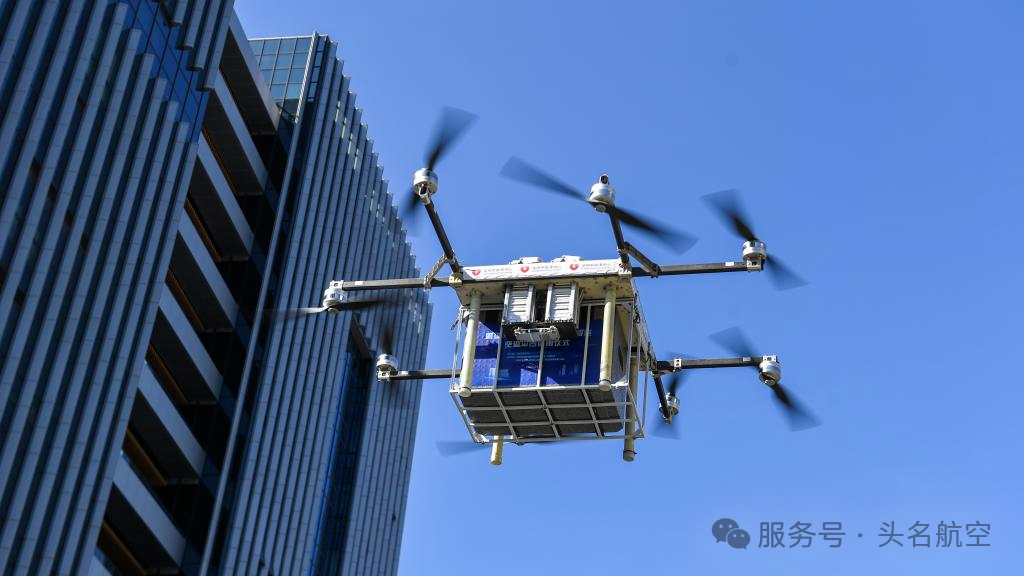
Emergency supplies transport: such as rapid delivery of food, medicine, rescue equipment, and other relief supplies to disaster areas or accident sites, providing strong support for rescue operations.
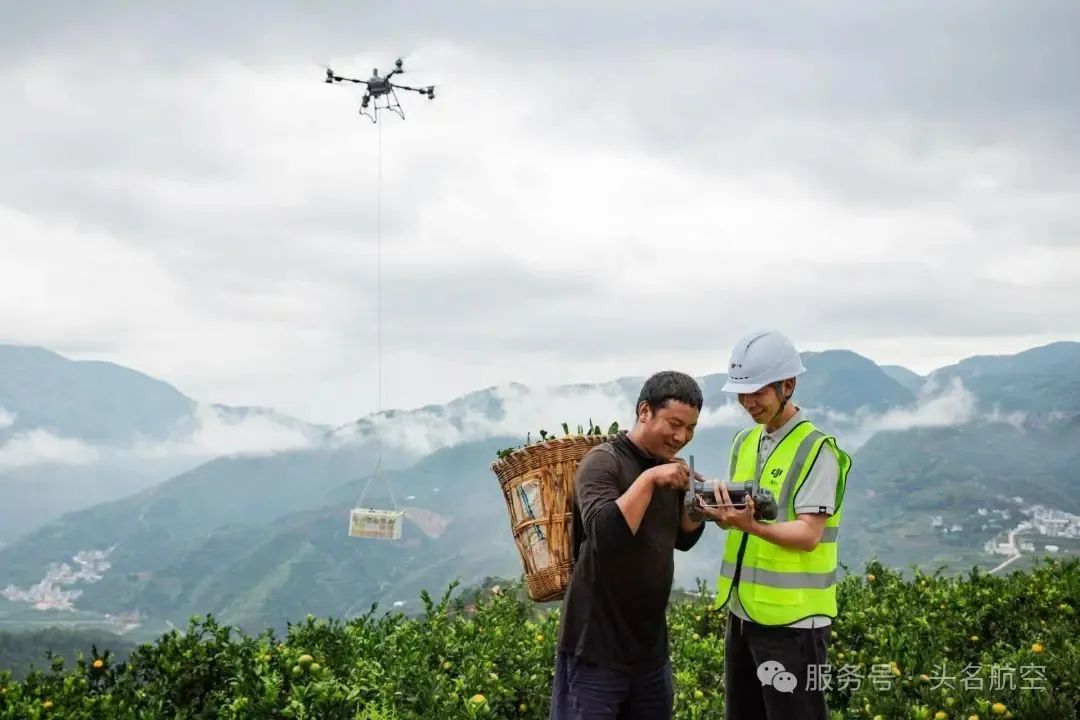
Remote area delivery: such as transport of supplies to mountainous areas, islands, and other regions with inconvenient transport, breaking through terrain limitations and covering areas underserved by traditional logistics, effectively solving supply shortages and improving the quality of life for local residents.
Agricultural applications: such as scheduled delivery and precision spraying of agricultural production materials like pesticides and seeds; as well as harvesting and transport of agricultural products. Drones can quickly transport harvested produce from the field to warehouses or markets, reducing intermediate links, improving circulation efficiency, and lowering losses.
Case Studies
Low‑altitude public freight logistics cross‑sea flight application
Taking Hainan's first drone public freight logistics cross‑sea flight project as an example, it has demonstrated significant advantages and brought extensive social benefits. Using the FP‑98 "Leo" large UAV system, the project successfully realised the cross‑sea air transport of live prawn seedlings from Wenchang, Hainan to Zhuhai, Guangdong, over a distance of 500 km, with a transport time of less than 3 hours – 9 hours shorter than traditional transport modes – and a seedling survival rate of 100%.
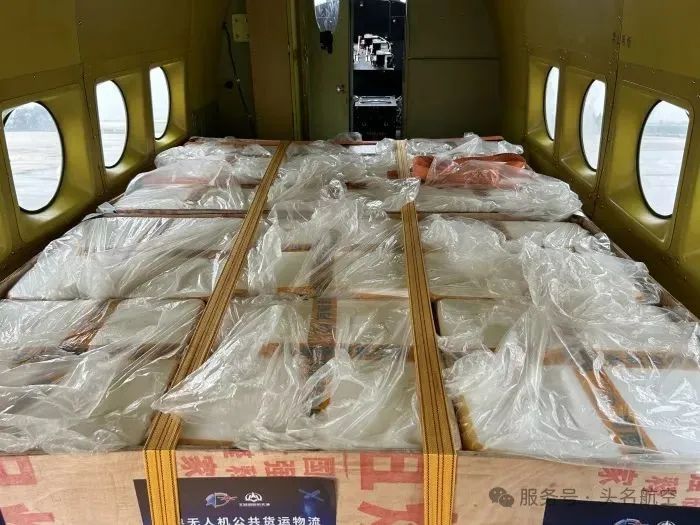
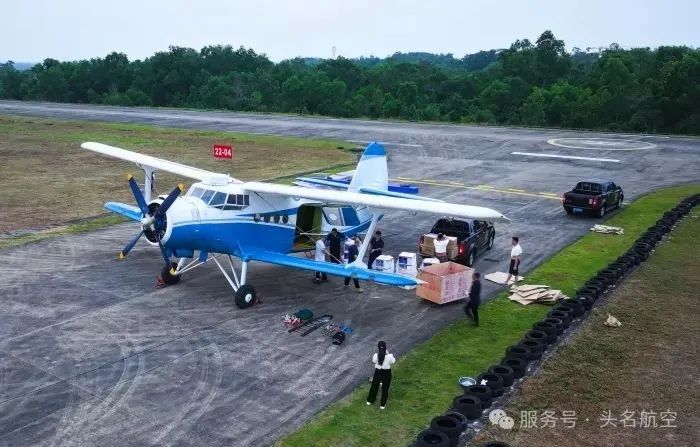
The advantages of this application lie in its efficiency, flexibility, and environmental friendliness, effectively breaking through ground transport limitations, shortening transport time, reducing losses, while lowering operating costs and carbon emissions. In terms of social benefits, the project not only solved the problem of transporting high‑value‑added agricultural and sideline products out of Hainan, supporting the rural revitalisation strategy, but also built an "aerial corridor" between Hainan and Guangdong, promoting the integrated development of the low‑altitude economy in the two regions.
Low‑altitude drone medical transport application
On January 8, 2024, the Shenzhen Blood Center, together with the Bao'an District Central Blood Station and the Longgang District Central Blood Station, established a drone blood transport dispatch network covering the city's three blood institutions, creating a "drone blood emergency support network." During that year, Shenzhen opened a total of 16 blood transport routes, with 7,070 flights, transporting blood products including red blood cells, platelets, and cryoprecipitate, with a total transport weight of 4,412 kg.
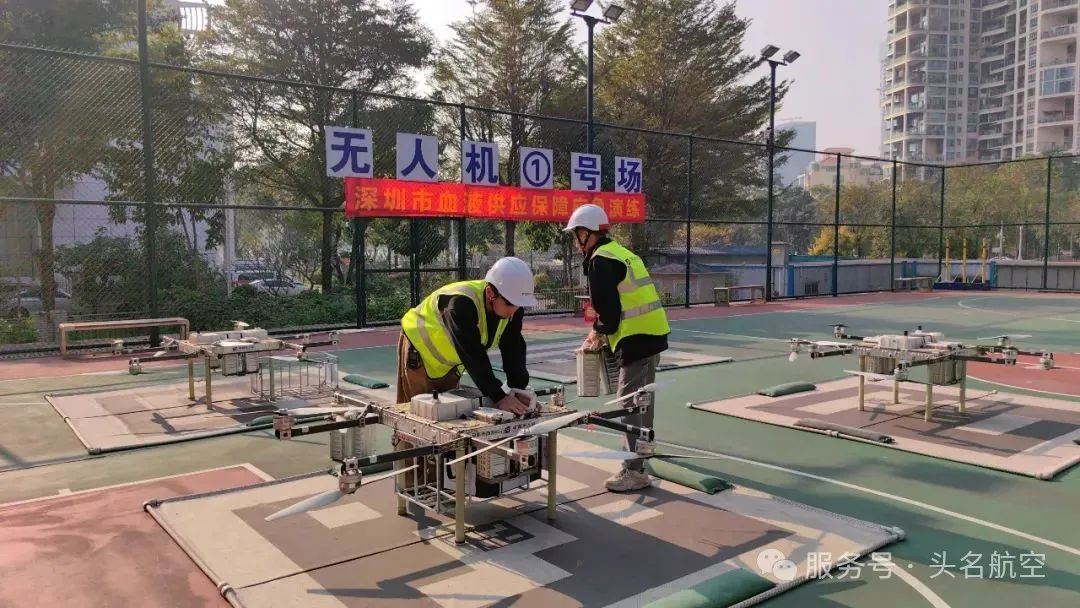
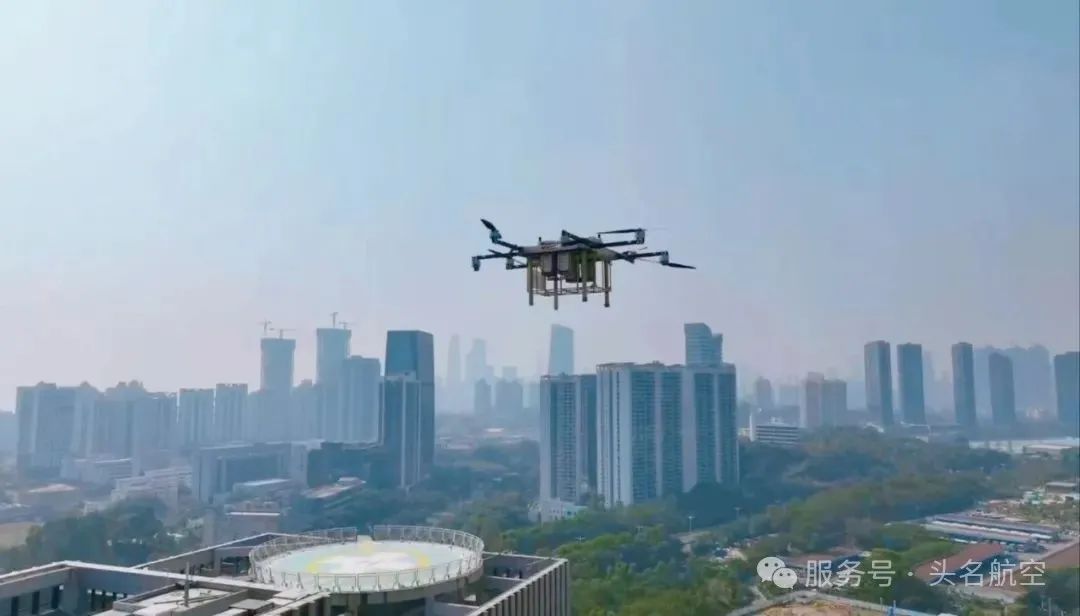
Drone blood transport is an important application scenario for the development of the low‑altitude economy in the healthcare sector, and it is also a key measure to enhance blood transport capacity, ensure emergency blood supply, and support the construction of the national emergency medical rescue centre.
Low‑altitude drone transport, a disruptive innovation in the logistics field, is redefining "speed" and "convenience" from a unique perspective with efficient operations. From the life‑and‑death urgency of emergency rescue, to the daily convenience of urban express delivery, and to the intelligent irrigation of agricultural plant protection – this is not merely an increase in speed, but a vivid practice of the concepts of smart logistics and green logistics. Every scene witnesses how technology connects every corner in unprecedented ways, shortens the distance between people, and opens a new, more efficient, greener, and smarter era of logistics.
Low‑altitude public freight logistics cross‑sea flight application
Taking Hainan's first drone public freight logistics cross‑sea flight project as an example, it has demonstrated significant advantages and brought extensive social benefits. Using the FP‑98 "Leo" large UAV system, the project successfully realised the cross‑sea air transport of live prawn seedlings from Wenchang, Hainan to Zhuhai, Guangdong, over a distance of 500 km, with a transport time of less than 3 hours – 9 hours shorter than traditional transport modes – and a seedling survival rate of 100%.
The advantages of this application lie in its efficiency, flexibility, and environmental friendliness, effectively breaking through ground transport limitations, shortening transport time, reducing losses, while lowering operating costs and carbon emissions. In terms of social benefits, the project not only solved the problem of transporting high‑value‑added agricultural and sideline products out of Hainan, supporting the rural revitalisation strategy, but also built an "aerial corridor" between Hainan and Guangdong, promoting the integrated development of the low‑altitude economy in the two regions.
Low‑altitude drone medical transport application
On January 8, 2024, the Shenzhen Blood Center, together with the Bao'an District Central Blood Station and the Longgang District Central Blood Station, established a drone blood transport dispatch network covering the city's three blood institutions, creating a "drone blood emergency support network." During that year, Shenzhen opened a total of 16 blood transport routes, with 7,070 flights, transporting blood products including red blood cells, platelets, and cryoprecipitate, with a total transport weight of 4,412 kg.
Drone blood transport is an important application scenario for the development of the low‑altitude economy in the healthcare sector, and it is also a key measure to enhance blood transport capacity, ensure emergency blood supply, and support the construction of the national emergency medical rescue centre.
Low‑altitude drone transport, a disruptive innovation in the logistics field, is redefining "speed" and "convenience" from a unique perspective with efficient operations. From the life‑and‑death urgency of emergency rescue, to the daily convenience of urban express delivery, and to the intelligent irrigation of agricultural plant protection – this is not merely an increase in speed, but a vivid practice of the concepts of smart logistics and green logistics. Every scene witnesses how technology connects every corner in unprecedented ways, shortens the distance between people, and opens a new, more efficient, greener, and smarter era of logistics.